How to Use a Kong Toy with Your Puppy for the First Time
Raising a puppy is an exciting and rewarding journey, especially when you set them up for success from the very beginning. As the founder of Kika’s Klee Kai in Southern California, with over 20 years of experience breeding and training these remarkable little dogs, I’ve witnessed firsthand how important early training and proper enrichment tools are for raising well-adjusted puppies. Today, I want to share some essential guidance on how to use a Kong toy with your puppy for the first time.
Whether you’re right here in Southern California or anywhere else in the country, incorporating a Kong toy can be a game-changer for your puppy’s development. The Kong’s design—durable and engaging—makes it an ideal enrichment tool that encourages healthy chewing habits and mental stimulation. But like any training tool, success is all about how you introduce it and the structure you establish.
Why Use a Kong Toy with Your Puppy?
Puppies explore the world primarily with their mouths. This natural chewing instinct helps them relieve teething discomfort and provides crucial sensory stimulation. However, without the right outlets, chewing can quickly become destructive or frustrating for both puppy and owner.
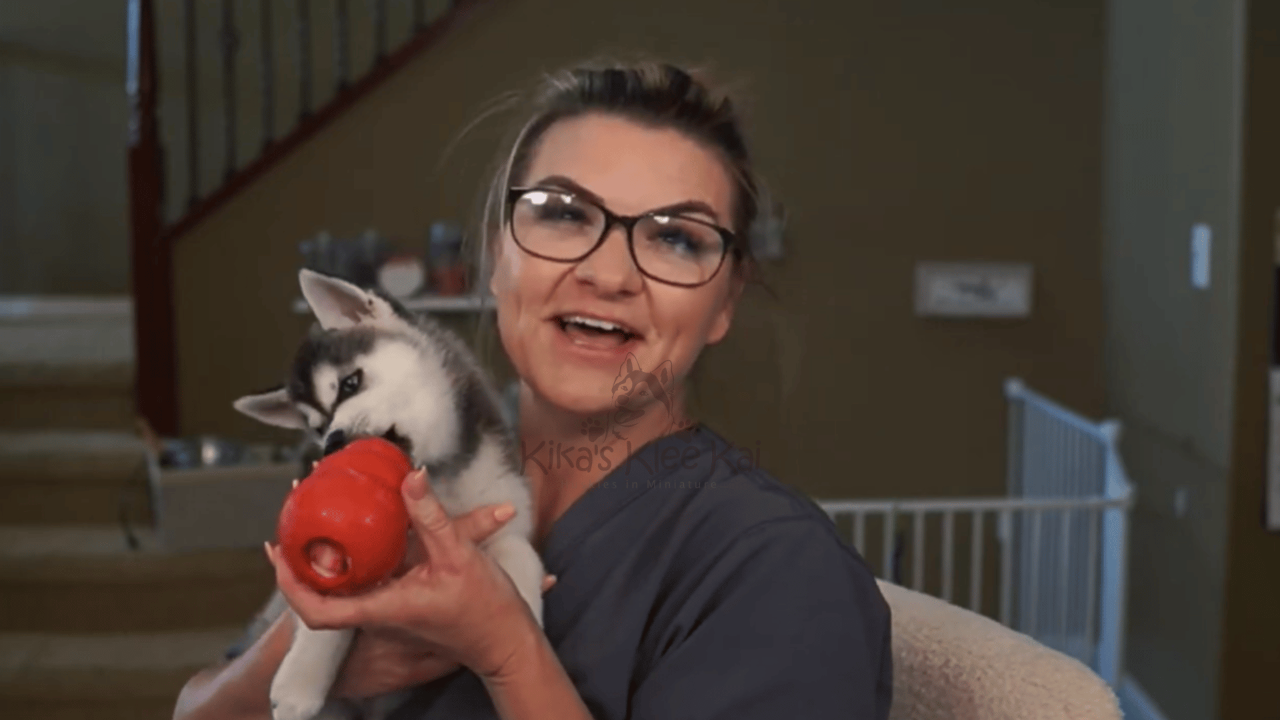
The Kong toy isn’t just a chew toy; it’s an interactive puzzle that can be stuffed with treats or kibble to occupy your puppy and reinforce positive behaviors. It promotes slow feeding, reduces boredom, and can be used as a tool during early training sessions.
By introducing your puppy to a Kong early on, you’re setting a foundation for good chewing habits and mental engagement. It helps build routine, focus, and confidence —a trifecta that lays the groundwork for a well-behaved adult dog.
The First Introduction: Step-by-Step
Starting your puppy’s relationship with a Kong toy doesn’t need to be complicated, but it does need to be deliberate. Here’s how I recommend doing it:
1. Choose the Right Kong Size and Model
Kongs come in various sizes and levels of durability. Make sure you pick one appropriate for your puppy’s breed and size. For example, at Kika’s Klee Kai, where puppies are small but energetic, I recommend the small or medium puppy-sized Kongs, which are softer on their developing teeth.
2. Get Your Puppy Interested
Before stuffing the Kong, present it dry and let your puppy sniff and investigate it. You want their curiosity piqued naturally. Using high-value treats or bits of their regular kibble also helps. Praise any interaction like sniffing or licking to create a positive association.
3. Stuff the Kong with Simple Fillings
Start with something simple and irresistible like peanut butter (make sure it’s xylitol free), soft cheese, or plain yogurt mixed with kibble. Just a little bit inside the Kong is enough to encourage chewing.
4. Offer the Kong During a Calm Moment
Timing is everything. Introduce the Kong when your puppy is calm and ready to focus —not during hyperactive playtime or when they’re overwhelmed. Sit down with them, offer the Kong, and stay close to encourage gentle chewing and interaction.
5. Gradually Increase Challenge
As your puppy learns how to extract treats from the Kong, you can increase the difficulty by freezing it or packing it tighter. This prolongs engagement and provides more sustained mental stimulation.
Creating Structure Around Kong Time
In my experience, routine is indispensable for successful puppy training. Setting scheduled times for Kong usage—such as mid-morning, after exercise, or right before bedtime—helps your puppy understand expectations and creates a calming ritual.
By weaving Kong time into your daily routine, you reinforce patience, focus, and positive associations with good behavior. These moments also provide invaluable bonding time and an opportunity to practice commands like “sit” or “wait” before giving the Kong.
Common Mistakes to Avoid
Introducing a Kong toy might seem straightforward, but many owners make missteps that can turn this useful tool into a source of frustration.
Overstuffing the Kong Initially
Many owners try to pack the Kong full right away, overwhelming their puppy with too much effort required or too big a mess when treats spill out. Start small and build up difficulty gradually.
Leaving a Puppy Unsupervised with a Kong
Especially early on, it’s crucial to supervise your puppy with the Kong. Puppies are curious and might chew on the Kong improperly or attempt to swallow pieces if it’s the wrong size or damaged. Supervision ensures safety and allows you to reinforce gentle chewing habits.
Using the Kong as a “Time-Out” or Punishment
The Kong should always be a positive experience. Using it to isolate or punish can cause negative associations, making your puppy reluctant to engage with it later on.
Ignoring the Importance of Routine
Offering a Kong sporadically or inconsistently reduces its effectiveness. Without structure, your puppy may not view it as a rewarding part of their day or learn to focus during enrichment time.
Setting Your Puppy Up for Success with Kika’s Klee Kai
At Kika’s Klee Kai, based here in Southern California, we emphasize the importance of early training, enrichment, and positive routines. Whether you’re a local family or a new owner across the country, these principles apply universally to raising a happy, confident Klee Kai puppy.
If you’re thinking about bringing home one of our puppies, know that we provide ongoing training guidance, including how to introduce toys like the Kong effectively. Every pup deserves structure, love, and the proper tools to grow into a cherished family member.
Using a Kong toy with your puppy is more than just keeping them busy—it’s about fostering good behaviors, providing mental enrichment, and strengthening your bond. Done right, it’s a simple yet powerful technique to help your puppy thrive.
Remember these key takeaways: choose the right Kong, start slow with treats, supervise closely, and weave Kong time into a consistent daily routine. Avoid common pitfalls like overstuffing or punishment associations to keep your puppy’s experience positive.
If you want personalized support for raising your Klee Kai puppy or are interested in welcoming one of these wonderful dogs into your home, I invite you to explore our available puppies and join our waitlist. At kikaskleekai.com, we’re committed to connecting quality puppies with loving homes nationwide. Apply here!