Alaskan Klee Kai Dog Giving Birth: What to Expect
As the founder of Kika’s Klee Kai in Southern California, with over 20 years of dedicated experience breeding and raising Alaskan Klee Kai dogs, I’ve witnessed the incredible journey of pregnancy and whelping firsthand. Whether you are a seasoned breeder, a first-time Klee Kai owner, or someone interested nationally or locally in Southern California, understanding what to expect when your Alaskan Klee Kai is about to give birth can make all the difference in providing a calm, safe, and successful environment for mom and puppies.
This post will guide you through the stages of labor, offer practical advice for preparation, and highlight common mistakes I see people make during this crucial time. Let’s dive into everything you need to know about the miracle of Klee Kai birth.
Understanding the Whelping Process in Alaskan Klee Kai Dogs
Alaskan Klee Kai are a small, intelligent, and agile breed that often deliver healthy litters with proper care and attention. The gestation period lasts about 63 days, but this can vary slightly. As you approach the end of pregnancy, having a clear routine and a dedicated whelping area will tremendously benefit both you and your dog.
Signs of Labor to Watch For
The onset of labor in your Klee Kai is usually preceded by a few telltale signs. Around 24 hours before delivery, you might notice your dog becoming restless, nesting, or even losing appetite. Their body temperature will drop to around 99°F (from the normal 101-102°F), which is a key indication that labor is imminent.
The first stage of labor involves uterine contractions and cervix dilation, which can last from 6 to 12 hours. Your dog may pant, pace, or whine during this time, often seeking reassurance. The second stage is active labor, where the puppies are delivered. With small breeds like the Alaskan Klee Kai, pacing tends to be quicker, but every dog’s experience is unique.
Preparing for Your Alaskan Klee Kai’s Delivery
Preparation is critical for a smooth whelping experience. I highly recommend creating a structured routine that includes frequent health checks and a designated, quiet space for birthing.
Setting Up a Whelping Box
A clean, quiet, and comfortable whelping box is essential. Choose a location inside your home where your dog feels safe, away from traffic and noise. The box should be just large enough for your mom-to-be to stretch out comfortably but contained to prevent puppies from wandering.
Line the box with absorbent bedding that can easily be cleaned; multiple layers of newspaper covered with soft blankets or towels work well. Change the bedding regularly to maintain hygiene, especially once the puppies start arriving.
Tools and Supplies to Have Ready
Have a birthing kit on hand, which includes clean towels, sterile scissors, iodine or chlorhexidine to clean umbilical cords, disposable gloves, and a bulb syringe for clearing the puppies’ airways if necessary.
Preparing in advance helps reduce stress when things get started — a clear structure you can follow gives both you and your Alaskan Klee Kai the confidence you need.
What Happens During Birth
When delivery begins, closely monitoring your dog without overcrowding or disturbing her is best. Most Alaskan Klee Kai will handle labor instinctively, but your support remains crucial.
Each puppy should be born within approximately 30 to 90 minutes of the previous one. If there’s a gap longer than two hours without progress and your dog is straining or showing signs of distress, this could indicate complications that require immediate veterinary attention.
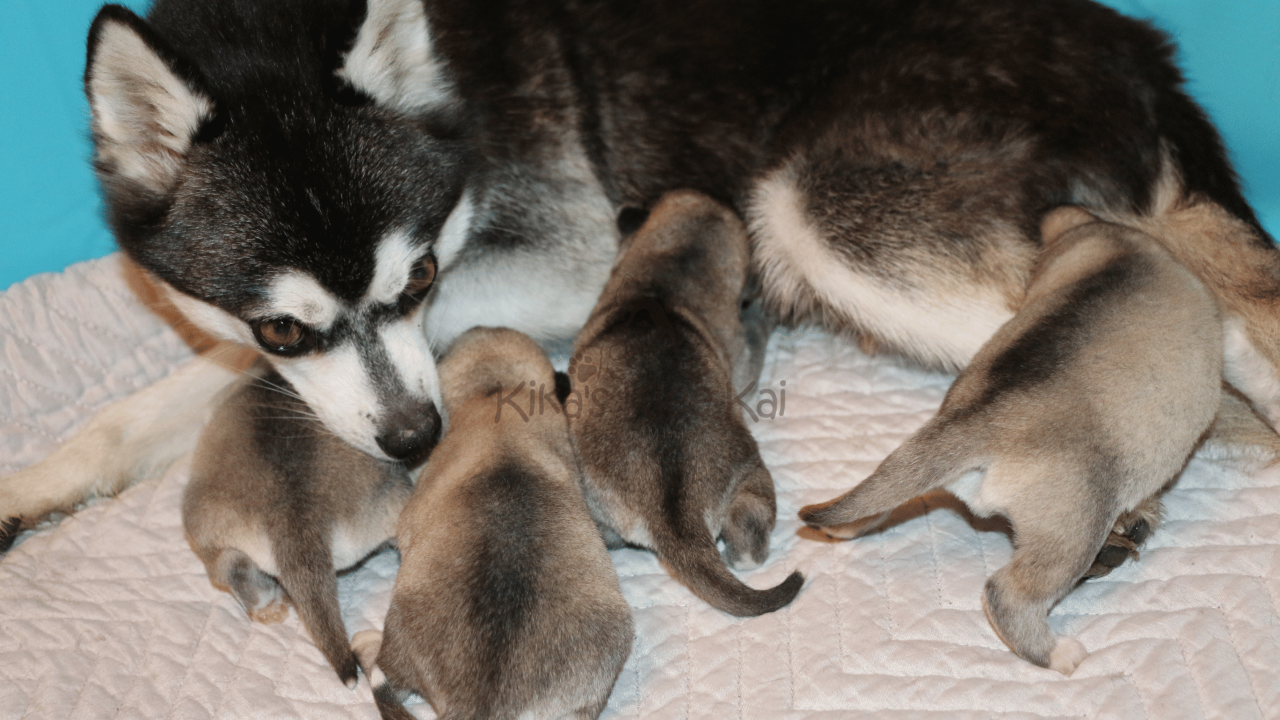
Once a puppy is born, the mother will usually chew through the amniotic sac and clean her pup up, stimulating breathing and circulation. If she doesn’t do this quickly, you may need to intervene gently using sterile towels or the bulb syringe.
Common Mistakes When Caring for an Alaskan Klee Kai Giving Birth
Despite the best intentions, even experienced breeders encounter pitfalls during whelping. Here are some of the most frequent mistakes I advise avoiding:
One common error is not preparing the whelping area early enough. Leaving this until the last minute can make the environment stressful for your dog and increase anxiety during labor.
Another mistake is excessive interference during birth. It’s natural to want to help, yet too much handling, noise, or disruption can cause your dog to panic or stall labor.
Feeling unprepared for emergencies can also be costly. Always have a good relationship with a nearby veterinarian familiar with small breeds and ready for emergencies.
Finally, neglecting to monitor the mother and puppies closely after birth is a frequent oversight. Routine checks for maternal health and ensuring each puppy is nursing and warm are critical during those first vital days.
Post-Birth Care and Early Puppy Training
Once the birthing process is complete, creating a consistent routine continues to be vital. The mother needs plenty of nutritious food and water to replenish her strength and produce milk. Temperature control of the whelping area is important; puppies can’t regulate their own body heat for the first few weeks.
In my decades of breeding, I emphasize early socialization and gentle handling of puppies starting from two weeks of age. Structured, positive exposure to light sounds and human interaction sets the foundation for a confident, well-adjusted Alaskan Klee Kai.
Starting early training around 8 weeks—once puppies are weaned—is also key. These intelligent dogs thrive on routine and clear boundaries, so providing that from puppyhood ensures a smooth transition into adulthood.
Serving Southern California and Beyond
Although I am based in Southern California, I proudly serve Alaskan Klee Kai enthusiasts nationwide. Whether you’re local or from across the country, my puppies come from healthy, well-socialized bloodlines with a lifetime commitment to support from me as the breeder.
If you are considering adding an Alaskan Klee Kai puppy to your family, understanding the entire lifecycle—from birth to training—is crucial. My approach at Kika’s Klee Kai focuses on transparency, education, and ongoing guidance to all new puppy parents.
The process of your Alaskan Klee Kai giving birth is both awe-inspiring and delicate. With the right preparations, knowledge, and care, you can help your dog navigate labor confidently, welcoming a healthy litter with minimal stress.
Remember, structure, routine, and early training aren’t just buzzwords—they’re the cornerstones of successful dog breeding and ownership. Every stage, from birth to puppyhood, benefits from consistency and attentiveness.
If you want to see these precious moments in action, check out the YouTube video above for a real-time perspective.
Ready to Welcome Your Alaskan Klee Kai Puppy?
At Kika’s Klee Kai, we pride ourselves on raising happy, healthy dogs with a strong foundation. If you’re interested in applying for a puppy or wish to join our waitlist, please visit kikaskleekai.com.
Get on the list early — we partner with families nationwide, ensuring each puppy gets the home and care they deserve. Let’s start your journey to experience the unique joy of an Alaskan Klee Kai together. Apply here!