The Truth About Puppy Biting: How to Stop It Fast
Raising a puppy is one of life’s great joys, but anyone who’s been around puppies knows it comes with its challenges — puppy biting being one of the most common and frustrating behaviors new dog parents face. I’m Desarie Alvarado, founder of Kika's Klee Kai here in Southern California, where we’ve been breeding and training Klee Kai puppies for over 20 years. From my experience working with families both locally and nationwide, I’m here to give you the unvarnished truth about puppy biting—and most importantly, how to stop it quickly and effectively.
Whether you’re right here in Southern California or across the country, the principles of addressing puppy biting remain the same: structure, routine, and early training.
Why Do Puppies Bite?
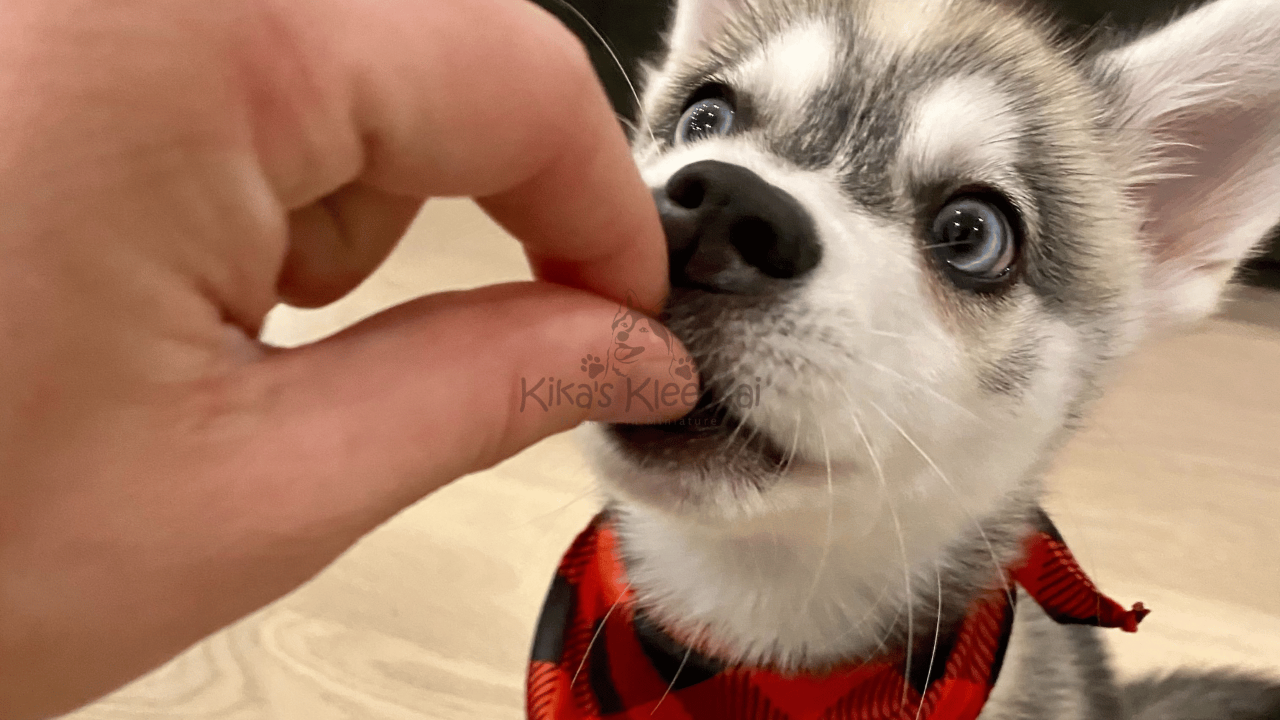
Puppy biting is a natural and instinctive behavior. From an early age, puppies use their mouths to explore the world, play with their littermates, and communicate. In fact, gentle biting is how they learn bite inhibition— controlling the intensity of their bite during play.
The problem arises when puppies transfer this biting habit onto humans without knowing their own strength or social boundaries. Left unchecked, those innocent nips can turn into painful bites as the puppy grows.
The Importance of Early Training and Structure
One of the biggest misconceptions is that puppy biting just "goes away" on its own. The truth is, without consistent boundaries and structured training starting between 8-16 weeks of age, biting behaviors can become ingrained and much harder to correct as your dog matures.
When you create a solid routine and a clear set of rules, your puppy understands what is and isn’t acceptable. This clarity reduces confusion and anxiety, which are often triggers for nipping.
At Kika's Klee Kai, we recommend starting bite inhibition training immediately once you bring your puppy home, typically between 8 and 10 weeks old. This is the critical window when puppies are most receptive to learning social cues.
How To Stop Puppy Biting Fast: Step-by-Step
1. Redirect, Don’t Punish
When your puppy bites your hands or clothes, avoid harsh reprimands that can confuse or frighten them. Instead, immediately redirect their attention to an appropriate chew toy. This teaches them what is acceptable to bite without damaging your relationship.
2. Use Consistent, Calm Correction
If redirection doesn’t work, employ a gentle but firm verbal cue like "No bite" or a yelp sound imitating a littermate’s reaction. The goal is to let your puppy know the bite hurt without overwhelming them emotionally.
3. Timeouts Are Effective
Consistent timeouts can reinforce boundaries. After a bite, calmly remove your puppy from playtime or social interaction for a brief period (30 seconds to a minute). This consequence helps them connect biting with losing fun.
4. Teach Alternative Behaviors
Encourage gentle play by rewarding calm mouthing, licking, or non-biting interactions with praise and treats. This positive reinforcement guides your puppy toward behaviors you want to see.
5. Provide Adequate Physical and Mental Stimulation
Often, puppies bite out of boredom or excess energy. Structured walks, play sessions, and interactive toys reduce the likelihood of biting by tiring your puppy in healthy ways.
Common Mistakes Puppy Owners Make
Many well-meaning owners inadvertently reinforce biting by inconsistent responses. Some of the most common errors include:
Inconsistency in Corrections: Ignoring biting sometimes but reacting harshly other times confuses your puppy about boundaries.
Using Hands as Toys: Even playful hand wrestling teaches your dog that nipping flesh is acceptable.
Punishing After the Fact: Scolding your puppy minutes after a bite won’t register. Corrections must happen immediately.
Lack of Structured Routine: Puppies thrive on predictability. Overwhelmed or frustrated puppies are more prone to biting.
Neglecting Early Training: Waiting months to address biting can lead to far more difficult behavior challenges later.
If you’ve found yourself making any of these mistakes, don’t worry — once you understand how critical consistency and timing are, you can correct course quickly.
Why Southern California Puppy Families Trust Kika's Klee Kai
Here in Southern California, our environment offers wonderful opportunities for early socialization and training for your puppy. At Kika’s Klee Kai, we emphasize not only breeding healthy, temperamentally sound Klee Kai puppies but also providing ongoing support to our families nationwide.
From the moment you bring home your new puppy, we guide you through the early weeks of training, with an emphasis on stopping undesirable behaviors like biting before they become habits. Whether you’re in Los Angeles, San Diego, or anywhere else across the United States, our commitment is to help you nurture a happy, well-behaved companion.
Puppy biting is a normal phase, but that doesn’t mean you should accept it as inevitable or impossible to change. With early intervention, a structured routine, and consistent, positive training methods, you can overcome this challenge quickly. Remember: your puppy is learning what you expect at this early stage, so clear communication is key.
It takes patience, but the reward is a lifelong bond with a well-mannered dog who respects your space—and knows how to play nicely.
If you’re thinking about adding a Klee Kai puppy to your family, I invite you to visit kikaskleekai.com to apply or join our waitlist. Our puppies are raised with love, structure, and socialization right here in Southern California. Let us help you welcome your perfect companion and start your journey towards a lifetime of joy and responsible dog ownership.
Apply today and take the first step toward never worrying about puppy biting again! Apply here!